
- News
- City News
- mumbai News
- Health problems plague frontline anganwadi workers, study finds
Trending
This story is from May 9, 2024
Health problems plague frontline anganwadi workers, study finds
Anganwadi workers face health challenges, including anemia, high BMI, sugar, and cholesterol levels. The study by RN Cooper Hospital revealed these issues, emphasizing the need for regular health check-ups for healthcare workers.
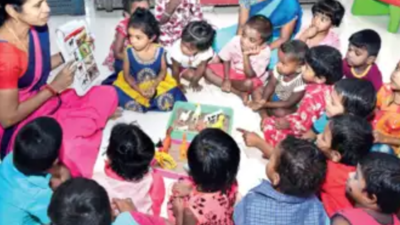
Image used for representational purpose only
The study, conducted by the community medicine department of the BMC-run college, screened more than 400 anganwadi workers during a health camp.
Saif Ali Khan Health Update
Crucially, up to 53% of the anganwadi workers between the age group of 41-50 years were anemic. Anemia can cause fatigue, weakness, shortness of breath, dizziness, and pale skin, among other symptoms, due to reduced oxygen-carrying capacity in the blood.
Further, around 4% showed abnormal findings in PAP smear tests conducted during the camps. These findings are significant given that anganwadi workers are the backbone of the Integrated Child Development Services (ICDS) program that provides essential services to children aged 0-6 years and pregnant mothers, including nutrition and early childhood education. Ironically, they are the key members implementing PM-Poshan Abhiyaan, which aims to reduce anemia among women to tackle low birth weight, among others.
Dr. Ravindra Kembhavi, one of the authors of the study published in the Indian Journal of Community Medicine, said the checks were carried out as part of a special project commissioned by the Centre. Nearly 70% of the anganwadi workers have been working in the role for nearly a decade. Dr. Smita Chavan, who coordinated the project, said that the findings highlight the need for regular health check-ups for healthcare workers at all levels so that they can efficiently deliver healthcare services.
Maharashtra has over 2 lakh anganwadi workers responsible for providing supplementary nutrition to nearly 50 lakh children under 6 years old, as well as rations to pregnant and lactating mothers. Anganwadi workers in Maharashtra have been protesting for better wages, gratuity, and pension.
Earlier this year, anganwadi workers were on strike for 53 days, but the government didn’t agree to increase their honorarium.
“All these health problems could be directly related to stress caused by the significant increase in their workload. They are expected to digitize every data in real-time, but the government doesn’t want to increase their remuneration,” said Shubha Shamin from the Action Committee that fights for the rights of anganwadi workers. An anganwadi sevika gets Rs 10,500 while helpers earn over Rs 5,500.
End of Article
FOLLOW US ON SOCIAL MEDIA









Photostories

Hot Picks
TOP TRENDING
Explore Every Corner
Across The Globe
Popular Categories
Hot on the Web
Top Trends
Saif Ali Khan AttackedDonald TrumpSaif Ali KhanSaif Ali Khan NewsSmriti MandhanaAmitabh BachchanIndian Cricket TeamBengaluru Fire Bioinnovation CentreMaha KumbhAdani StocksSBI PO RegistrationNTA APAAR IDRBSE Date SheetDelhi Election 2025Mumbai Ahmedabad Vande BharatDelhi SchoolsHarsha BhogleLive Cricket Score
Trending Topics
Living and entertainment
Latest News
Kite Flying: An Allegory Of Meditative UnionUKPSC RO/ARO prelims exam 2024 postponed, admit cards released: Check detailed schedule and link to download hall ticketsSA20: 'Couldn't ask for a better start from Kagiso Rabada,' says Reeza Hendricks after MICT beat Paarl RoyalsIndian Armed Forces and Bajaj Auto embark on the ‘Dare Square’ rally'Kaun hai yeh?': Kapil Dev responds with humour to Yograj Singh's 'want to put a bullet' commentsWhy Stephen Baldwin thinks one of his brothers would fare better on special forces: 'A little stud muffin'Facebook founder doesn’t know who India's PM is; gets corrected by IT Minister Ashwini VaishnawDelhi polls: Atishi files nomination papers from Kalkaji seatSangam witnesses sea of devotees taking holy dip on Makar SankrantiFrom Sean 'Diddy' Combs protection plot to woke politics: LA wildfires spark surge of wild conspiracy theories'India cap shouldn't be given just like that': Sunil Gavaskar urges BCCI to trim squad size for England Test tourJimmy Kimmel Live launches L.A. fire relief donation center on Hollywood backlotChoreographer Bosco Martis is all praise for ‘Deva’ star, saying “Shahid Kapoor now dances like a superstar”Shruti Haasan discusses menstrual leave Says, 'We can apply it in some professions, but it is very difficult to apply it in cinema'Ram Charan’s Game Changer loses steam in North America as it struggles to cross US $1.9 million collectionDelhi police registers complaint against CM Atishi for using government vehicle for political purposeWWE RAW on Netflix Results and Highlights (1/13/25): Shocking Debut, Chaotic Street Fight Match and MoreMaha Kumbh 2025: Why is Harsha Richhariya the 'beautiful sadhvi' going viral on social media
Copyright © 2025 Bennett, Coleman & Co. Ltd. All rights reserved. For reprint rights: Times Syndication Service